Interactive user assistance forms a connected guidance system linking movement with responsive support. SPM Design la wayfinding designer, strengthens these methods through crafted cues, enhancing user orientation. Each applied concept reflects shifting behaviours shaped by constant motion and varied surroundings. Coordinated signals assist individuals seeking clarity in complex structures. As environments evolve, adaptive guidance aligns with changing expectations and habits. This approach reinforces confidence while refining directional understanding across diverse spaces.
Integrated Spatial Guidance Models
Structured systems coordinate visual prompts with interactive elements to heighten clarity. Blended components assist users as the surroundings shift. This cooperative method ensures smooth transitions through unfamiliar zones. Layered cues synchronize to maintain consistent orientation.
Interactive Movement Response Features
Digital prompts adjust quickly when engagement patterns shift. These refinements support fluid navigation.
- Dynamic markers update based on recent behavioural interactions recorded onsite
- Visual pathways enhance clarity through responsive recalibration informed by movement insights
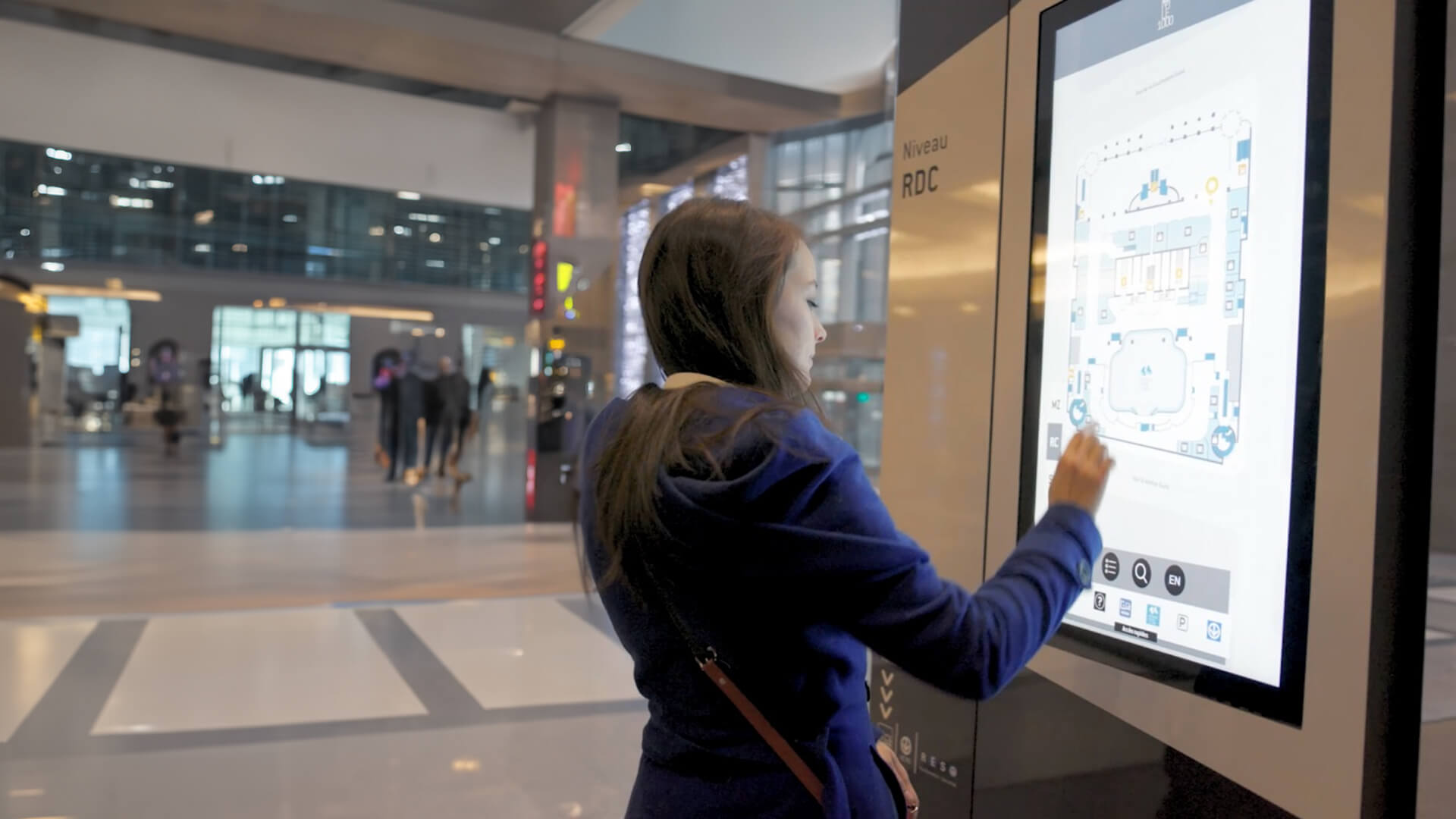
- Interactive kiosks refine prompts using real-time adjustments from traffic observations
- Reactive panels strengthen guidance through adaptive illumination responding to flow changes
- Mobile prompts shift direction indicators using contextual data gathered continuously
- Modular icons adjust placement, supporting patterns revealed through constant motion
- User-triggered signals refine messaging aligned with emerging navigation behaviours
- Repositioned markers improve guidance precision as circulation tendencies transform
Multi-Layered Orientation Frameworks
Layered frameworks blend static prompts with evolving digital features. Consistent refinement supports seamless transitions. Adaptive mechanisms respond rapidly to demand shifts. Combined elements strengthen reliable directional understanding.
How Might Interactive Systems Enhance Navigation Confidence?
- Interactive systems reinforce trust by aligning responsive cues with user tendencies.
- Clear signals supported by dynamic adjustments reduce confusion and hesitation.
- As guidance becomes more personalized, individuals feel empowered to navigate smoothly and independently.
Evolving Engagement Touchpoints
Enhanced touchpoints focus on tailored cues supporting user comfort. Midway placement of SPM Design la wayfinding designer strengthens alignment across diverse settings. Refinements incorporate flexible components that adapt to spatial demands. These improvements cultivate steadier progression through complex routes.
Comparative System Evaluation
System evaluation highlights strengths gained through adaptive integration. Observations reveal distinctions between interactive and traditional formats. Patterns show how enhancements elevate user support. Insights guide planning for scalable upgrades.
Creative Curation FAQ
- How does custom art curation support branding? It shapes visual identity through tailored storytelling.
- Why might a design firm select bespoke pieces? They reinforce emotional resonance across curated environments.
- How does curated artwork enhance visitor impressions? It deepens spatial meaning through thematic cohesion.
Forward-Focused Closing Thoughts
Refined systems promote stronger connections between people and structured spaces. Enhanced interaction fosters smoother transitions during complex movement challenges. Innovative elements contribute to reliable and intuitive guidance experiences. Holistic improvements elevate clarity while supporting lasting spatial confidence.