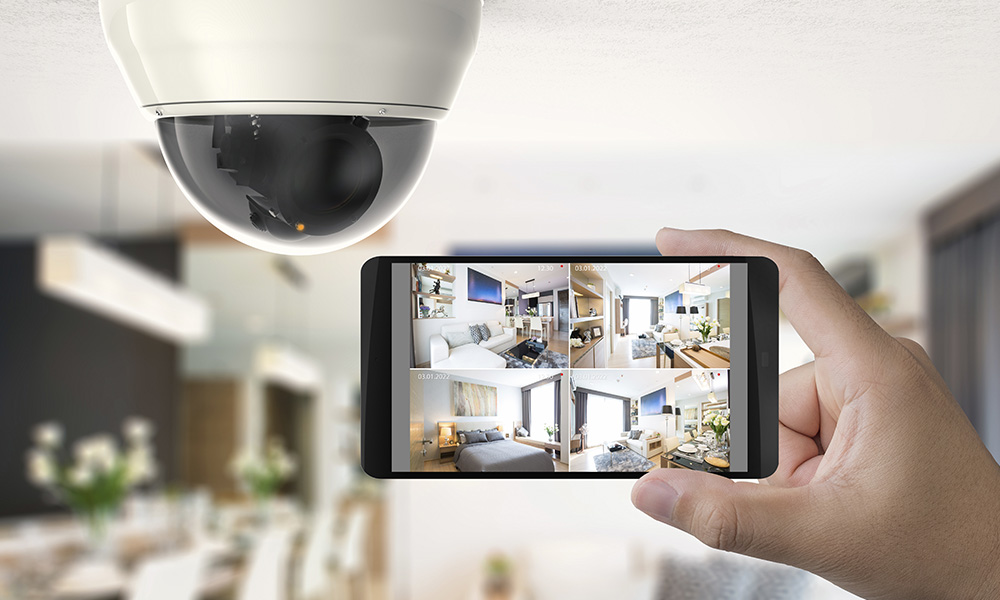
Strong protection begins with clear planning that fits daily operations. Proper setup helps control access, watch activity, stop theft, save records, protect assets, support staff, maintain order, build trust, improve response, and manage risks using go here. A simple plan makes wiring placement easier, supports camera coverage, improves alarm control, prevents damage, reduces loss, ensures smooth monitoring, limits blind areas, manages entry points, protects storage zones, and builds a safer workplace with a reliable network setup.
Assess Needs Before Setup
Check entry points, storage rooms, and work zones carefully, identify risk areas early, match equipment choices to daily routines, reduce weak spots, improve visibility, support alarms, and ensure a stable network connection for alerts.
Choose Suitable Monitoring Devices
Select cameras, sensors, and locks wisely based on usage, coverage range, night view needs, recording limits, signal strength, wall space, power points, safety goals, alert speed, and reliable storage support options.
Train Staff On Usage
Teach staff basic controls, explain alert handling steps, support daily checks, ensure the reporting process, manage entry roles, confirm proper use, and maintain simple safety habits across work zones.
- Mount devices away from heat sources, protect power cables, support a stable connection, reduce interference, and maintain signal strength for alerts.
- Use backup power units to support alarms during outages, ensure recordings continue safely, and maintain monitoring without interruption or data loss.
- Set strong passwords for control panels, protect access logs, reduce misuse risks, and support account safety across all user roles.
Map Equipment Placement Properly
Create layout plans for rooms, entry gates, storage units, desk areas, staff zones, visitor routes, parking spaces, hallways, roof points, check sight lines, and reduce blind corners before fixing devices.
Verify System Alert Functions
Trigger motion sensors, open test doors, confirm alarm response, watch live feed clarity, check recording time, support quick alerts, and ensure logs update properly for review.
A proper arrangement helps guard assets, prevent misuse, keep watch on vital zones, improve response time, support timely notices, maintain order, stop unwanted entry, build reliable oversight, and go here for more info. Teams gain clear awareness, leaders make quick choices, faults get noticed early, misuse becomes harder, and vital zones stay under watch.
FAQs
What is the main purpose of monitoring tools?
They help detect entry attempts early, record activities, alert staff quickly, reduce misuse risks, support oversight, and improve safety across daily operations.
How often should devices be checked?
Monthly checks ensure proper working, detect faults early, maintain alert accuracy, support recording quality, and reduce failure risk during unexpected incidents.
Why are access logs important?
Logs track entry time, user role, prevent misuse, support reviews, help management take action, and improve accountability across daily controlled areas.