Introduction
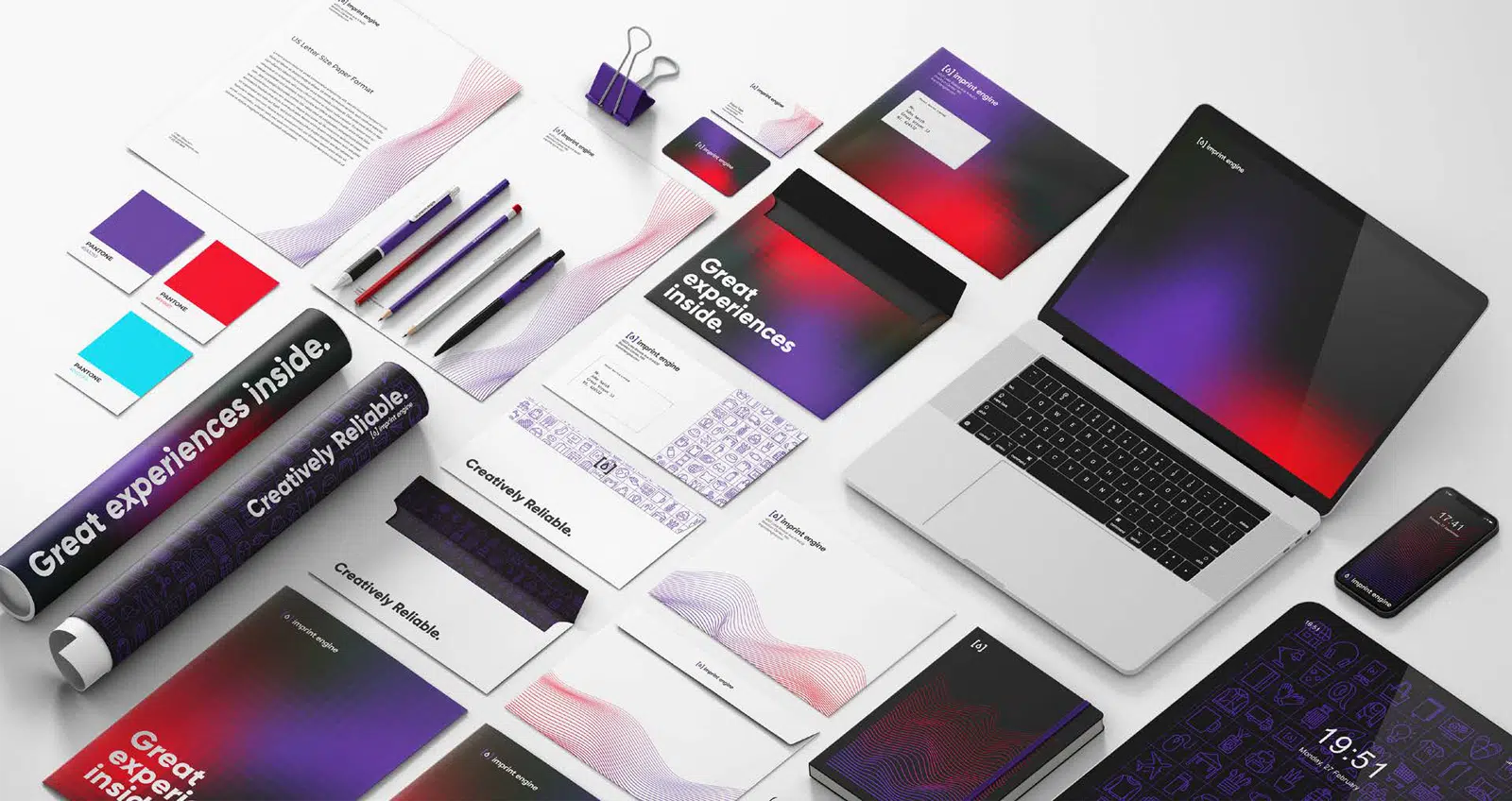
In today’s digital-first world, many businesses place most of their attention on online marketing. Physical branding includes elements such as merchandise, packaging, signage, uniforms, and printed materials, which explains why invest in custom clothing as part of a strong brand presence. These tangible elements help people form real, lasting connections with a brand. This is why physical branding remains valuable for businesses of all sizes.
Creates Strong First Impressions
Physical branding often forms the first impression people have of a brand. A well-designed product package, store display, or uniform immediately communicates professionalism and credibility. When physical branding appears professional and consistent, it demonstrates that the brand values quality and pays attention to detail. First impressions matter, and physical branding helps make them positive and memorable.
Builds Trust and Credibility
People tend to trust brands they can see and interact with. Physical branding makes a brand feel real and established. Items like branded merchandise or well-made packaging signal reliability and stability. When customers interact with physical brand elements, they often feel more confident about the brand and its offerings. This trust plays a key role in long-term customer relationships.
Strengthens Brand Recognition
Consistent physical branding helps customers recognise a brand quickly. Repeated exposure to the same colours, logos, and design styles makes a brand easier to remember. Physical items used daily, such as bags, clothing, or stationery, keep the brand visible over time.
Creates Emotional Connections
Physical branding can create emotional connections that digital branding alone may not achieve. Receiving or using a tangible item makes the brand experience more personal. A well-designed physical product can trigger positive feelings, nostalgia, or a sense of belonging. These emotional responses help customers form deeper connections with the brand.
Supports Brand Consistency
Physical branding helps maintain consistency across all customer touchpoints. When offline and online branding align, it strengthens the overall brand message. Consistent branding builds familiarity, which leads to trust. Customers feel reassured when they experience the same brand identity everywhere, from physical spaces to products.
Encourages Word-of-Mouth Promotion
Physical branding can naturally encourage people to talk about a brand. Unique packaging, creative merchandise, or attractive displays often spark conversations. When customers share their experiences with others, it spreads brand awareness organically. This form of promotion feels authentic and is highly effective.
Adds Value to Customer Experience
Physical branding enhances the overall customer experience. It shows effort, care, and attention to detail. A positive physical experience can leave a lasting impression and influence how customers feel about the brand. When people enjoy interacting with physical brand elements, they are more likely to return.
Conclusion
Physical branding remains an essential part of building a strong brand identity. It creates trust, strengthens recognition, and builds emotional connections that last. While digital branding is important, physical branding adds depth and authenticity to the brand experience. By