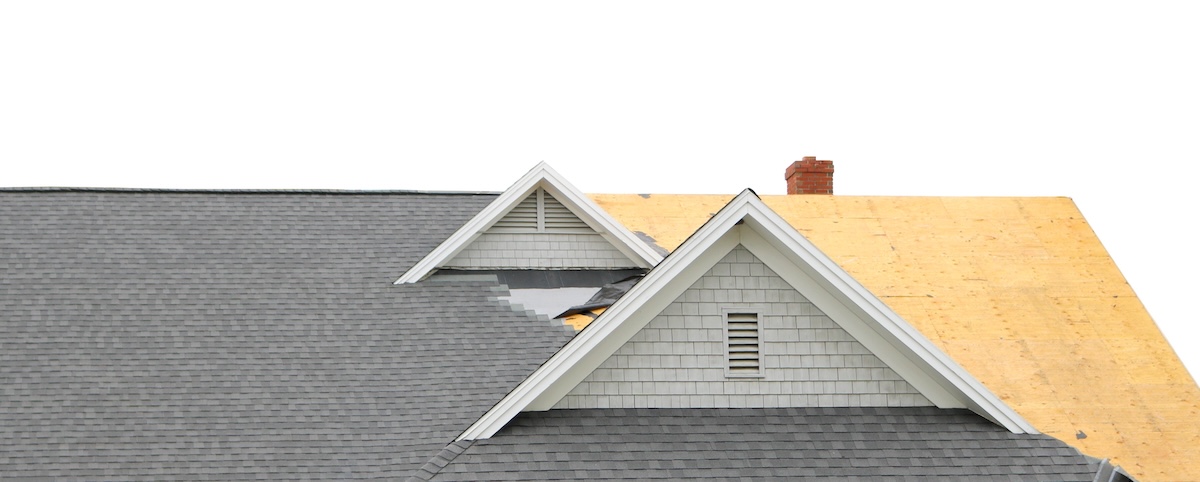
A strong upper structure protects a building from rain, heat, and wind while improving long-term value. Many property owners plan upgrades yet struggle to estimate expenses accurately. Several elements influence total spending, including materials, labor, structural condition, accessibility permitting waste disposal, and timing. Clear knowledge helps owners prepare budgets before beginning any large improvement work. Careful planning also prevents sudden financial pressure during construction. When planning a major upgrade, many guides suggest researching pricing patterns, like go here to understand current industry expectations, before selecting a contractor or scheduling installation.
Structure Size Impact
Large surface areas increase material usage, labor hours, safety preparation, equipment movement, and waste disposal needs; therefore, larger structures require stronger budgeting and planning before starting any major upgrade work.
Shape And Design Complexity
Complex shapes, including steep slopes, valleys, and multiple angles, require skilled labor, careful measurement, and slower installation processes, which gradually increase overall financial planning requirements during structural renewal tasks.
Labor Skill Level
Experienced installers charge higher service rates because professional training, safety knowledge, and precise workmanship reduce mistakes and repair risks, which improves durability yet raises spending during structural renewal work.
Removal And Waste Disposal
Old material removal, transportation, landfill charges, safety handling equipment rental, protective coverings, and labor time contribute to rising expenses during building improvement preparation stages.
Seasonal Timing Influence
Work scheduled during high-demand months increases contractor availability, pressure labor pricing, supply costs, and equipment rental rates, which can raise the overall project budget unexpectedly.
Planning Budget Control
- Compare several contractor estimates before starting construction to understand realistic pricing differences, service quality, warranty coverage, and material options.
- Review warranty terms carefully because longer coverage often reflects higher material durability, stronger installation reliability, and better long term protection.
- Inspect structural base layers before installation to detect hidden moisture damage, weak boards, and insulation deterioration that may require repairs.
Planning building upgrades carefully helps property owners control spending while maintaining structural protection, durability, long term property stability. Understanding material selection, labor expertise, hidden repairs, permits, removal logistics, and timing allows smarter budgeting decisions before starting construction activities. Careful contractor evaluation, written agreements inspection preparation, and emergency savings planning help prevent financial pressure later during installation. For clearer planning insights, budgeting references like go here often help owners understand realistic expectations before beginning major structural improvements.
FAQs
What increases spending during structural upgrades the most?
Material quality, labor expertise, hidden repairs, design complexity, removal work permit fees, and seasonal demand commonly raise overall spending.
How can owners reduce unexpected expenses during installation?
Detailed inspections, written agreements, emergency savings, careful contractor selection, and scheduling during lower demand months help reduce financial surprises.